

Rust repair is expensive, time-consuming, and often more involved than most vehicle owners expect by the time they notice it. A rusted-out rocker panel or compromised frame rail can cost hundreds or thousands of dollars to fix properly, and in some cases the damage is beyond practical repair. Prevention, on the other hand, is straightforward and costs a fraction of what restoration does.
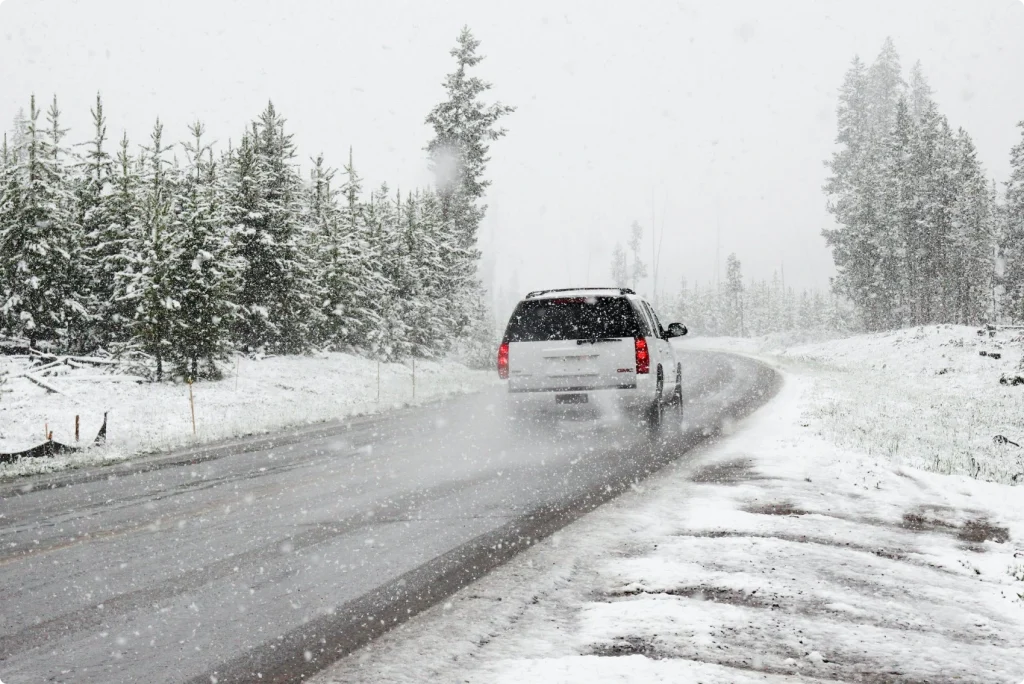
Road salt, moisture, slush, sand, and chemical de-icers create ideal conditions for rust to form, especially in climates like Minnesota where vehicles spend five or six months of the year driving through treated roads. The good news is that much of the premature rust that develops on daily-driven vehicles can be reduced or delayed with regular maintenance habits and, when it makes sense, professional protection like undercoating or ceramic coating.
What Causes Rust on Cars?
Rust forms when bare metal is exposed to moisture and oxygen. Salt accelerates the process significantly, which is why vehicles in northern climates develop rust problems far more quickly than those in dry or warm regions. A vehicle driven year-round in the Twin Cities is exposed to far more salt, slush, and moisture than a similar vehicle in a dry or warm climate.
The areas that rust first are almost always the ones the owner never looks at. Undercarriages, frame rails, and the insides of rocker panels take the worst of it because road salt and slush get thrown up into those spaces and sit there for months. Wheel wells, door bottoms, and seams where panels overlap are also common trouble spots because they trap moisture and debris in ways that are hard to rinse out with a standard car wash.
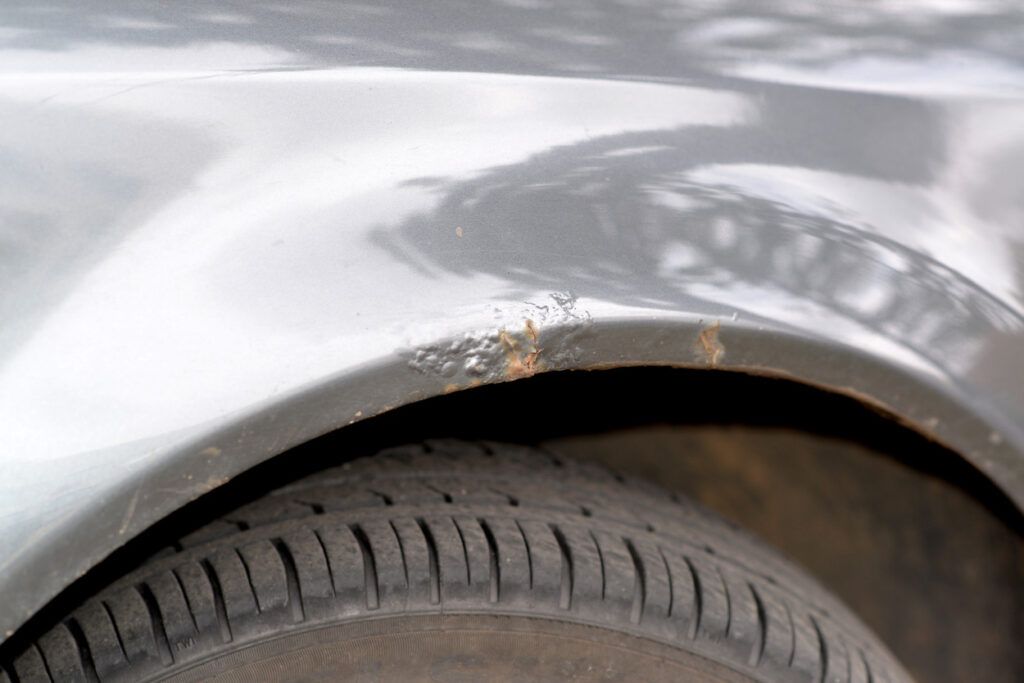
Paint chips and scratches are another entry point that people tend to overlook. Deeper chips and scratches can break through the paint system and expose the metal underneath, giving moisture and salt a place to start corrosion that spreads outward beneath the surrounding paint.
How to Prevent Rust on a Car
Most rust prevention comes down to keeping salt, moisture, and debris from sitting on unprotected metal for extended periods. The following habits do not require any special equipment or professional services, and they go a long way toward keeping corrosion from getting a foothold.
Wash Your Car Regularly
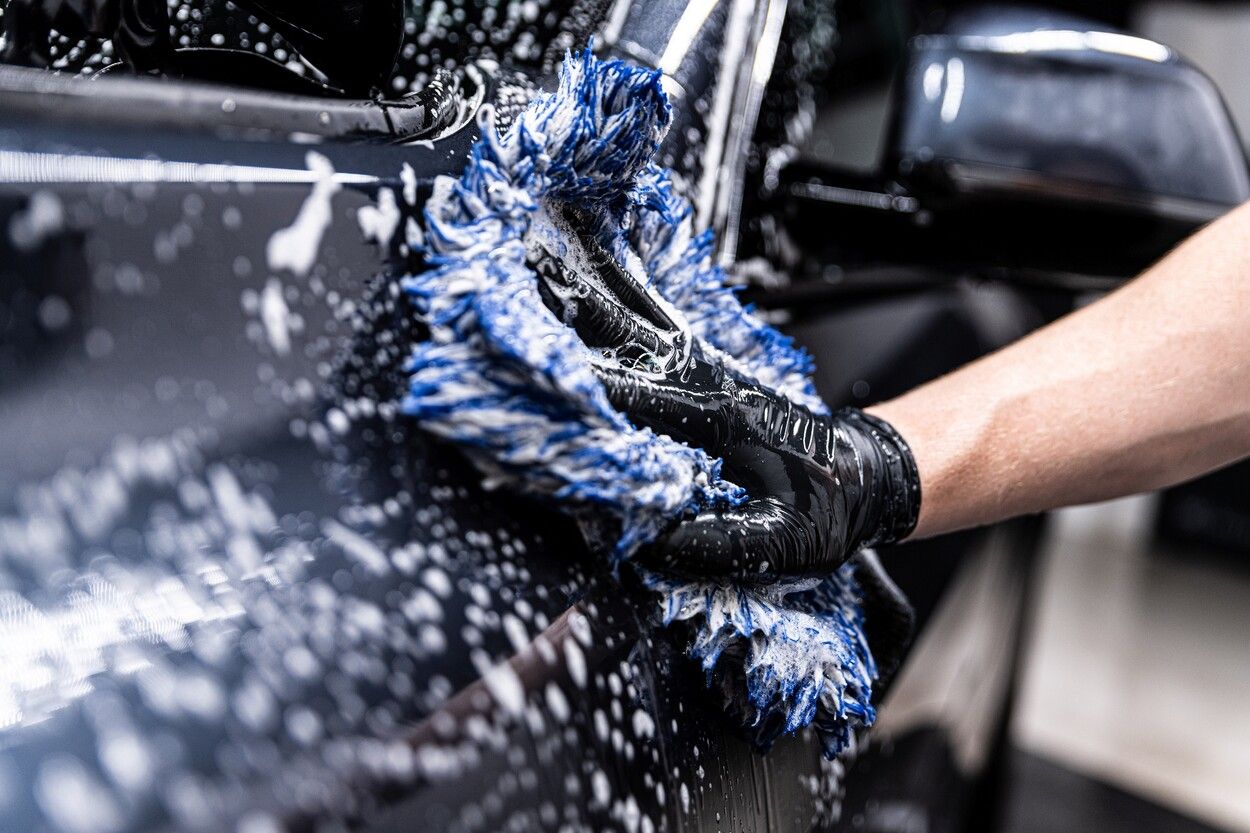
This is the simplest and most effective thing any vehicle owner can do. Regular washing removes road salt, dirt, and chemical residue before they have time to sit on the surface and do damage. During winter, that means washing whenever temperatures safely allow, especially after heavy salt exposure or stretches of wet, slushy driving. Waiting until spring to wash off an entire winter’s worth of salt gives corrosion a five-month head start.
Rinse the Undercarriage
A standard exterior wash does almost nothing for the underside of the vehicle, which is where most rust begins. Salt, brine, and road grime collect along frame rails, suspension components, and inner fender panels and stay there unless they are actively rinsed off. Touchless car washes with an undercarriage rinse option are a practical way to handle this during winter, and having the undercarriage professionally cleaned once salt season ends in the spring helps clear out whatever accumulated in harder-to-reach areas.
Fix Paint Chips and Scratches Quickly
Deeper chips and scratches that break through the paint system and reach bare metal are where rust gets its start on exterior panels. Small chips are easy and inexpensive to touch up with a paint pen or touch-up kit, and doing it promptly can prevent a minor cosmetic blemish from turning into a rust spot that spreads under the surrounding paint. If you notice paint bubbling on a panel, rust is likely already forming underneath, and addressing it sooner rather than later limits how far it can progress.
Keep Drain Holes and Seams Clean
Doors, rocker panels, trunk areas, and lower body panels all have drain holes and seams designed to let water escape. When those get clogged with dirt, leaves, or road debris, water pools inside the panel and sits against bare or lightly coated metal for extended periods. Keeping those areas clear is a small maintenance step that prevents the kind of hidden, inside-out rust that does not show up until it has already caused real damage.
Inspect Your Vehicle Seasonally
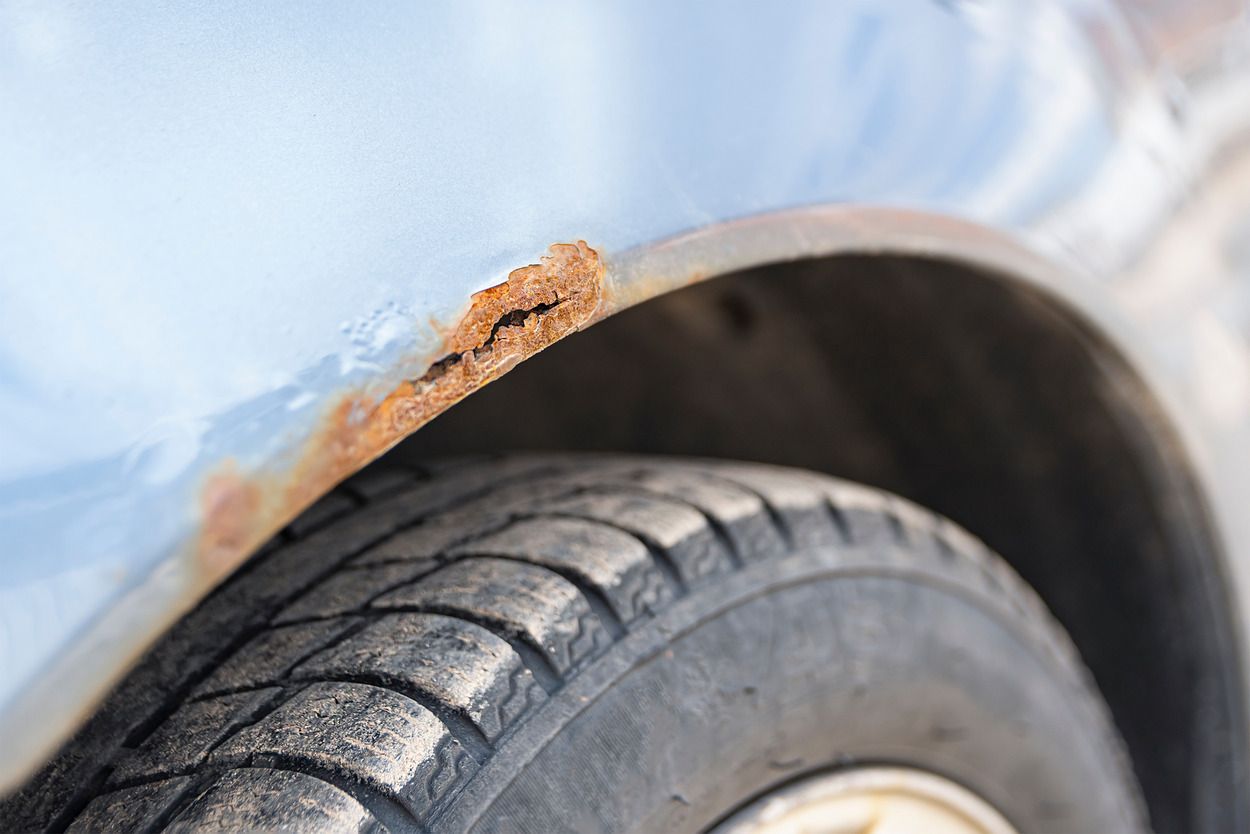
Fall and spring are the best times for a closer look. Before winter, inspect the undercarriage, wheel wells, and lower panels for any chips, bare spots, or early signs of surface rust that should be addressed before salt season starts. After winter, check the same areas for new damage that may have developed over the past few months. Look for bubbling paint, orange discoloration, flaking metal, or soft spots around seams and panel edges. Catching rust early, while it is still on the surface, is far cheaper and simpler than dealing with it after it has eaten into the metal.
Professional Rust Protection Options
Regular maintenance helps quite a bit for rust protection, but for owners who want a stronger layer of defense, professional Minnesota detailers often offer dedicated rust proofing for cavities and enclosures that can fill the gaps that washing and inspections can’t cover.
Undercoating and Rust Proofing
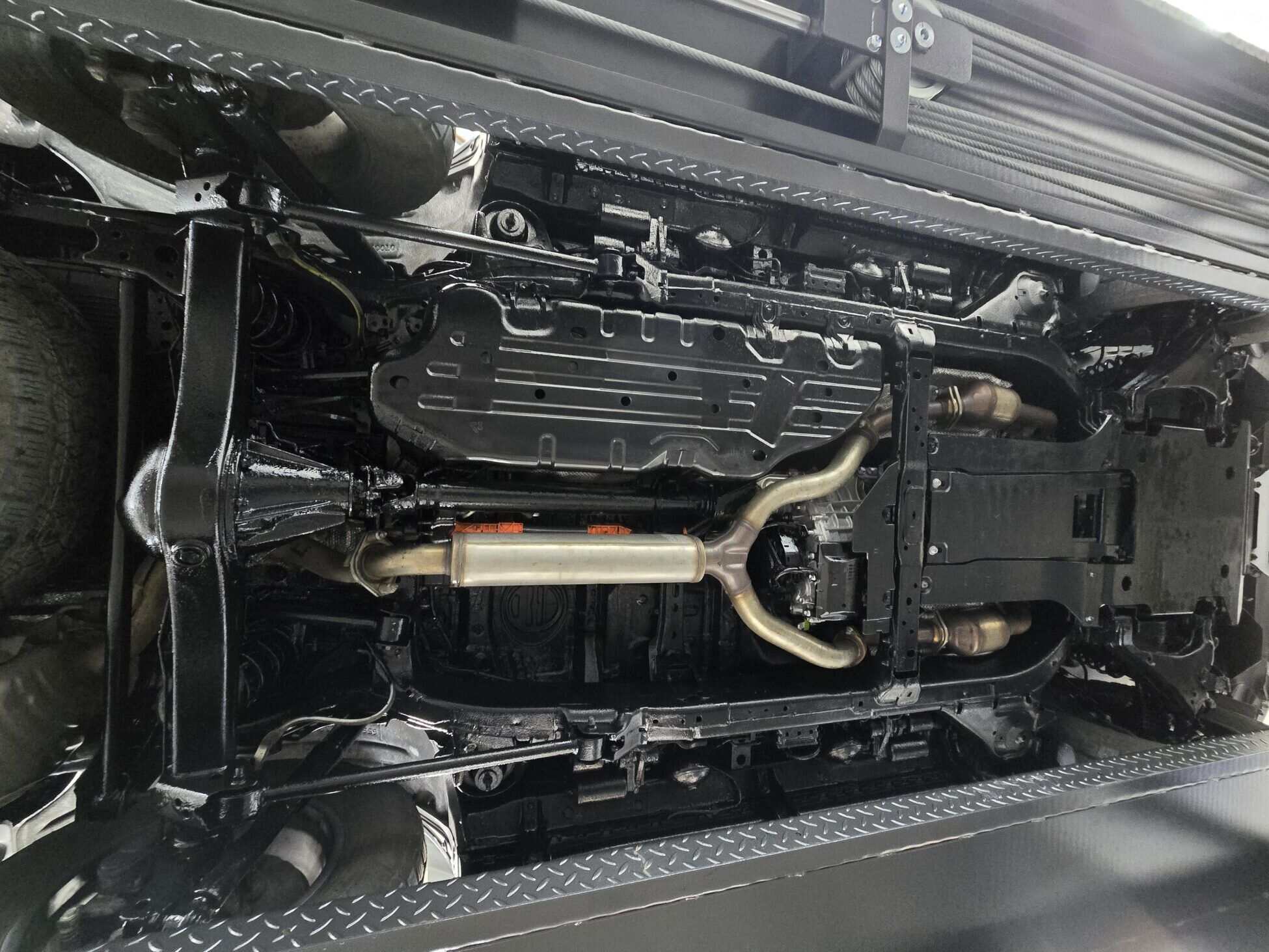
Professional undercoating adds a protective barrier between the metal and the road salt, brine, moisture, and debris that cause corrosion. It is especially valuable for newer vehicles or vehicles that are still rust-free, because the coating bonds best to clean, intact steel and provides the strongest protection when applied before exposure begins.
For vehicles with some existing surface rust, proper preparation including cleaning, salt and brine removal, and surface treatment can still produce good results, particularly with penetrating products like Woolwax that creep into seams and hidden areas where rust tends to start. However, undercoating is not a fix for heavy rust. If a vehicle already has significant corrosion, flaking metal, or structural damage underneath, those problems need to be addressed before any coating is applied. Sealing over active rust traps moisture against the metal and can make things worse rather than better.
Ceramic Coating and Paint Protection
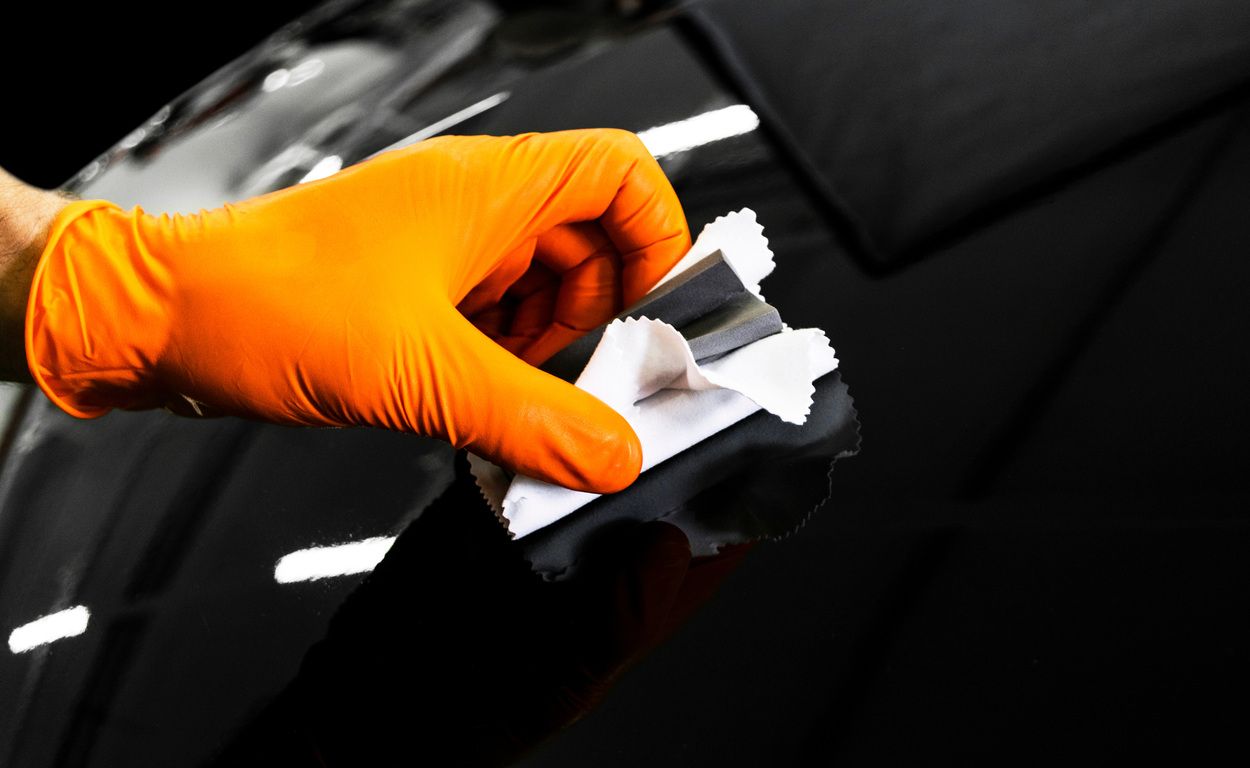
Ceramic coating protects the exterior painted surfaces rather than the undercarriage, but it plays a supporting role in a rust-prevention routine. A coated surface repels water, resists chemical contaminants, and sheds road grime more easily, which means salt and debris are less likely to sit on the paint and work their way into chips or scratches. It also makes washing faster and more effective, which helps owners stay consistent with the regular cleaning that matters most for long-term rust prevention.
The distinction is straightforward: undercoating protects the vulnerable areas underneath the vehicle, while ceramic coating protects the painted exterior. For vehicle owners who want comprehensive coverage, the two services complement each other well.
What Not to Do
A few common mistakes can undermine even good rust-prevention habits.
Ignoring paint chips and bubbling paint gives rust an easy foothold that spreads faster than most owners expect. Applying any type of coating over a dirty or already-rusted surface traps the problem underneath rather than solving it. Assuming that regular car washes alone fully protect the undercarriage misses the fact that standard washes rarely reach the areas where rust starts first. Waiting until rust is visibly severe before taking action limits your options and increases the cost of repair dramatically. And treating ceramic coating as a complete rust-prevention solution overlooks the fact that it does not cover the undercarriage, which is where the most damaging corrosion typically begins.
Is Rust Protection Worth It?
For most vehicles that are still in good condition, yes. If you drive year-round in a climate where road salt and de-icers are used for months at a time, rust is not a question of if but when for unprotected metal. Professional undercoating and rust proofing are a worthwhile investment for vehicles that are still clean underneath, especially if the owner plans to keep the car for several years and wants to avoid the costly repairs that come with unchecked corrosion.
It may not make sense for a vehicle that already has major structural rust or one that is being sold in the near future. In those cases, an honest inspection can help determine whether protection is still a practical option or whether repair should come first.
The most important takeaway is timing. Rust prevention works best when it starts before there is anything to fix. Every winter that passes without protection gives salt and moisture more time to do damage that becomes progressively harder and more expensive to reverse.
Maximizing the Life of Your Vehicle
Preventing rust does not have to be complicated. Regular washing, consistent undercarriage rinsing, prompt chip repair, and seasonal inspections cover most of what a vehicle needs to stay ahead of corrosion. For those who want stronger, longer-lasting protection, professional undercoating and ceramic coating add layers of defense that make the vehicle easier to maintain and more resilient against the conditions that cause rust to form in the first place.
If you want help protecting your vehicle from rust, our team offers professional undercoating, rust proofing, and ceramic coating services at our detailing shop in Eden Prairie, Minnesota. Contact us today to learn more.
Frequently Asked Questions About Preventing Car Rust
Here are answers to some of the most common questions vehicle owners have about rust prevention, undercoating, and paint protection.
Does washing your car prevent rust?
Regular washing is one of the most effective ways to reduce rust risk. It removes road salt, chemical de-icers, and grime before they have time to sit on the vehicle and contribute to corrosion. Pairing exterior washes with undercarriage rinses during winter makes an even bigger difference.
Does ceramic coating prevent rust?
Ceramic coating helps protect painted exterior surfaces from contaminants, but it does not cover or protect the undercarriage. For more complete rust prevention, ceramic coating works best alongside regular washing and professional underbody protection like undercoating.
Is undercoating worth it for rust prevention?
For vehicles that are still in good condition underneath, undercoating is one of the most effective ways to protect against the salt, brine, and moisture that cause corrosion. It is especially worthwhile for owners who drive year-round in winter climates and plan to keep their vehicle for several years.
When is the best time to rustproof a car?
Before rust starts. The ideal time is when the undercarriage is still clean and rust-free, which is why newer vehicles are the best candidates. Getting undercoating applied before a vehicle’s first winter gives it protection from the start rather than trying to slow down damage that has already begun.
If you want help protecting your vehicle from rust, our team offers professional undercoating, rust proofing, and ceramic coating services in Eden Prairie, Minnesota, serving drivers across the Twin Cities and surrounding areas. Give us a call or fill out the form below.